

An army on invisible superheroes lives within you, helping you run faster, get stronger and recover quicker. No, this is not the plot to the latest Pixar movie, this is science.
If you weren’t already aware, then you might be surprised (or quite frankly, perplexed) to learn that the trending body part of late, is the gut.
Scientifically speaking the gut, or more specifically the trillions of bacteria residing within it (the microbiota), have been the focus of a plethora of studies over the last couple of decades, all of which point to the idea that both the total number, and gene diversity, of these mysterious microscopic critters not only affects the digestion and absorption of the food we eat but also controls bodily inflammation, infection, allergies, ageing, and brain health – to name just a few!
The gut microbiome is fast becoming considered a virtual endocrine organ in its own right, capable of producing metabolites and developing a unique connection with the brain and impacting hormone levels. And although there is a genetic component to the make-up of an individual’s microbiome, lifestyle and dietary habits exert a significant impact as microbes survive and thrive by feeding on the parts of the food undigestible to humans, namely fibre found abundantly in plant foods (pre-biotics).
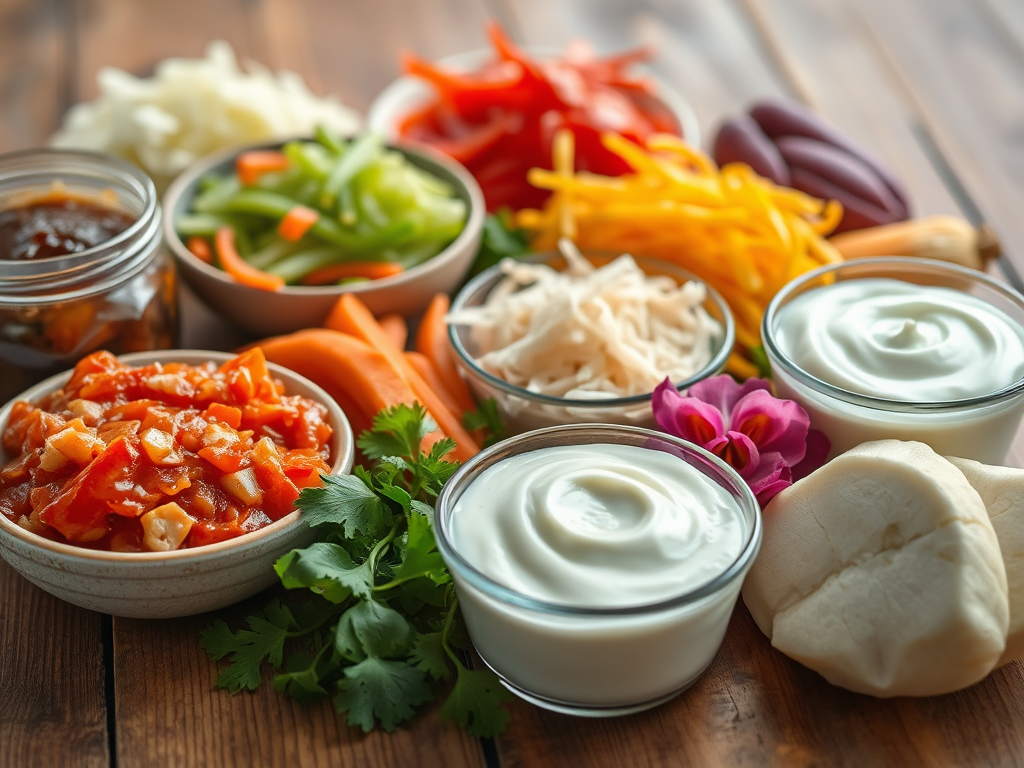
Whilst the ingestion of fibre is paramount to a healthy and diverse population of microbes, this can also be supported by the inclusion of pro-biotics found in supplements and occurring naturally in fermented products. Already containing various strains of beneficial bacteria, traditionally fermented foods such as sauerkraut, kimchi and kefir have seen a huge increase in popularity over recent years due to their ability to introduce new strains of bacteria directly into the body.
Now, if research into the gut microbiota and the multitude of ways it can help or hinder health is in its infancy, then research looking at its implications on athletic performance is practically embryonic. Nevertheless, promising results are emerging from studies indicating the gut microbiome and its many inhabitants can have both a direct and indirect effect on achieving that illustrious personal best.
Energy and Endurance
When indigestible plant fibres reach the gut microbiome they are fermented by the resident microbes, resulting in the generation of metabolites such as Short Chain Fatty Acids (SCFA’s). Comprising mainly of acetate, propionate, and butyrate these are a significant source of energy conversion and application and have been shown to have a marked effect on athletic performance.
In 2019, researchers assessed this connection by conducting endurance tests on mice before assigning them to either a high or low fibre diet. After 6 weeks, tests were re-administered with the high-fibre diet group performing significantly better than their counterparts. And whilst caloric intake and overall body weight between the groups was comparable, the body composition of the high fibre group showed a higher muscle mass and lower body fat percentage. Through faecal analysis, researchers also determined SCFA content and microbiota diversity had also significantly improved in the high fibre group.
Promising results have also been reported in human studies; In 2020 Professor Wen-Ching Huang and team recruited 20 experienced triathletes, half of which were given probiotic supplement Lactobacillus Plantarum (affectionately known to its friends as PS128)whilst the other half consumed a placebo pill for 4 weeks. Throughout this time, usual daily training commenced, and they were advised to stick to their normal diet. Endurance was measured by a treadmill run, where speed and gradient were increased every three minutes until exhaustion. After the 4-week period, the supplemented groups endurance performance increased by 130%, and researchers noted “extremely elevated” levels of SCFA’s in comparison to the control group, hypothesising that the prolonged endurance could be due to systemic inflammation and central fatigue being mitigated by the introduced bacteria strains.
Short chain fatty acids produced by the microbiota have also been found to effect mitochondrial activity and directly impact ATP production. The mitochondria is the energy powerhouse of the cell and can act as a communication device between the gut microbiota and the gut epithelial barrier. Data suggests that an optimised gut microbiota would lead to a more energized athlete, a necessity to success. Many athletes attempt to thwart fatigue with the use of caffeine, sugar, or high stimulant pre-workout drinks, yet these sources of energy are short lived, and the subsequent crash can be detrimental to recovery, sleep, and subsequent performance.

Muscle Building
The macronutrient composition of a diet has the potential to either support or jeopardise athletic achievements, but the same can be said for the gut defences and the microbiome. Whilst small proportions of proteins (around 8%) and fats (around 5%) reach the large intestine intact, carbohydrates, and in particular dietary fibre, have the greatest impact for increasing gut microbiota diversity and feeding gut microbes. At a macro level, UK recommendations are for carbohydrates to account for around 50% of daily food intake, and recommended fibre consumption for adults is 30g per day from a diverse range of plant-based foods.
However, most adults are falling far short of this target consuming an average of 19g, and athletes appear to be consuming even less. When comparing the diet composition of athletes to a non-athletic control, one study found that the control consumed 1.4 times the level of dietary fibre compared to their athletic counterparts. And whilst it is doubtful this is due to a conscious avoidance of dietary fibre, the likelihood is that it is simply falling by the wayside to make way for the macronutrient of choice for athletes; protein. Body builders, for instance, have been shown to consume twice as much protein as carbohydrates when compared to a control group, leading to an unbalanced intake of macronutrients and a low level of dietary fibre. And as protein intake increases, microbiota diversity decreases.
Muscle mass is determined by a fine balance of protein synthesis and degradation, – increase the synthesis and you gain muscle and vice versa. And whilst protein consumption is an essential part of this process (muscles are protein after all), it might play a smaller role than initially thought. In 2020, researcher Lahiri and colleagues compared muscle mass from germ-free mice (mice with a complete lack of gut microbiota) to that of laboratory controls, and found that despite being raised in the same environment with access to the same food, the germ free cohort had fewer muscle fibres, reduced overall muscle weight and an increased level of muscle wastage.
When half of the germ-free mice were then treated to a cocktail of short chain fatty acids, flooding the body with these much-needed metabolites, researchers observed an increase in muscle mass and improved muscle strength in mice when subjected to a weights test (Brief pause here to imagine tiny weightlifting mice…). This is in line with previous research which suggests Butyrate plays an important part in increasing energy production within the muscles, improving metabolism and regulating inflammatory responses, potentially leading to faster muscle recovery time.
Lahiri postulated that a lack of a microbiome lead to a dysregulation of several of the signalling pathways that control muscle building, leading to protein degradation. Whilst the injection of SCFA’s had the opposite effect, leading to increased strength and the prevention of muscle breakdown. Another study found that when the intestinal microbiota from well-muscled pigs was transplanted into lean germ-free mice, there were significant changes of muscle fibres and structure, mimicking that of the doner pig.
These studies, and many more like them, are quickly showcasing the importance of the gut in relation to muscle building and recovery and could have huge implications in sports and personalised nutrition. Think of the gut microbiota as the architect’s blueprint of the body, it determines the size, shape, and general makeup. Yes, the building blocks might be the protein, but without the blueprint you wouldn’t know where to put them.
Performance Anxiety
With the constant pressure to perform and improve, an estimated 60% of athletes suffer from mental fatigue, insomnia, changes in appetite, mood disturbances, irritability, anxiousness, loss of motivation and poor concentration. Which, unsurprisingly, can lead to impaired performance. Moderate to high-intensity exercise which results in exertion above 60% maximum oxygen uptake can trigger an increase in circulating cortisol levels, contributing to a pro-inflammatory state via a dysregulation of the body’s HPA axis, a system that controls stress response.
In addition to this, intense exercise causes a re-distribution of oxygenated blood from the internal organs (including the gut) to the working muscles. And whilst this aids muscles in performance, it can lead to a permeability in the gut, allowing food particles to pass through into the blood stream resulting in, yet more, inflammation.
Prolonged intense exercise, resulting in bloating, pain, diarrhoea, nausea etc is common in up to 86% of athletes Therefore, dysbiosis and inflammation of the gut are linked to declines in mental health, including anxiety and depression. And whilst inflammation is part of the healthy body response to exercise in order to stimulate physical adaptations and elicit improvements, oxidative stress that occurs with intense physical training coupled with chronic inflammation from inadequate recovery can lead to performance decline.
And yet a gut friendly diet has the potential to yield positive mental and gastrointestinal effects. An estimated 95% of the body’s ‘feel good’ hormones are found in the intestines, with certain strains of microbes capable of producing noradrenaline, dopamine, and serotonin. And the more abundant and diverse the microbiome, the more one can harness these hormones.
There is also a bio-directional communication between gut bacteria and the brain by the way of the vagus nerve, a major component of the central nervous system. Whilst this back-and-forth relationship can aid to regulate food intake, digestion and appetite; a lack of microbiota biodiversity has been shown to increase permeability of the blood-brain barrier, resulting in the escape of rogue molecules from the gut. Yet when marathon runners were given a daily probiotic supplement 28 days prior to the race, self-reported gastro-intestinal symptoms were significantly improved.
Due to their unique connection between microbes, hormones and the brain, the microbiota has the potential to directly influence both the sense of motivation and exhaustion. Studies have indicated the short chain fatty acids produced by microbiota have the potential to cross the blood brain barrier, acting as a key energy source for the central nervous system, which could be particularly beneficial for sports which require high levels of cognition.
A landscape shift in sports nutrition
Food is fuel. Calories in vs calories out. A somewhat narrow perspective of food intake, but nevertheless consensus for many of athletes, coaches and support staff, and the way of sports nutrition for the past few decades. The premise is that it does not really matter what an athlete eats if food and fluid intake are sufficient. Yet research is indicating there could be more to that illusive personal best than simple calorie consumption.
By and large, the emerging information on the role the gut can play on exercise and performance contradicts established sports nutrition messages, and rarely is the health of the gut microbiota ever considered. Athletes are often advised to cut out high fibre meals before training or competing, in anticipation of digestive discomfort often relying on energy drinks, supplements and shakes supposedly optimised for performance. And yet, there is increasing evidence that sports drinks can have a deleterious effect on gut integrity due to their inclusion of artificial sweeteners, food dyes, and emulsifiers, disrupting gut homeostasis, and contributing to the promotion of tissue-damaging inflammatory responses.
Higher consumption of sports and energy drinks among athletes is not surprising since many advertisement campaigns link these products to sports and performance. And whilst The Food and Drug Administration (FDA) in the United States and the European Food Safety Authority (EFSA) in Europe generally deem artificial sweeteners to be ‘safe’, most of them have never been evaluated for possible alterations on the gut microbiota, the gut barrier, and the immune system.
We have a very unique connection with our microbes. They are akin to a set of fingerprints and have the potential to make a significant impact on our physiology, athletic performance and mental health. We are at the very beginning of the story when it comes to understanding the gut microbiome, the role that it plays in exercise, and how we can use it to our advantage, and it could be years before we would consider having a comprehensive understanding of the subject matter. Nevertheless, we are seeing the field progress with an exciting momentum, primarily due to the vast increases in the capabilities of technology. With the margins of sport success becoming ever narrower, targeting assistance from the gut microbiota could afford a significant effect.



 The Nutrition Curator
Leave a comment