
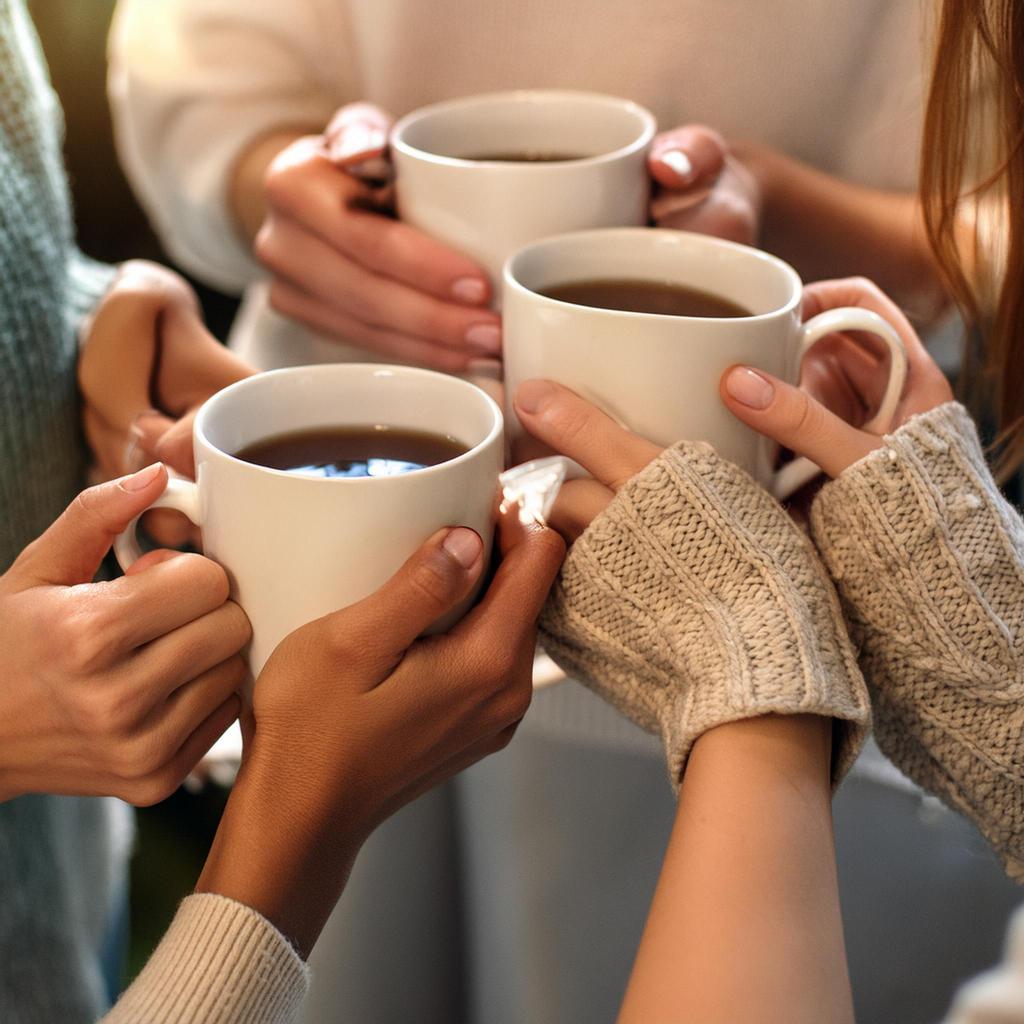
In recent years, we’ve witnessed a significant shift in drinking culture, particularly among younger generations. This transformation is reshaping societal norms and challenging long-held beliefs about alcohol consumption. Let’s explore this evolving landscape, from the rise of “wine mom” culture to the growing trend of sobriety among millennials and Gen Z.
The “wine mom” phenomenon has become a prominent feature of modern motherhood, deeply intertwining alcohol with maternal identity. This trend, popularized on social media platforms like Instagram with the #winemom hashtag, presents alcohol consumption as a form of self-care and a socially acceptable coping mechanism for the stresses of motherhood. Mothers often report using alcohol as a tool to reconnect with their pre-motherhood selves, planning drinking sessions as a temporary escape from their parental responsibilities.
However, this trend raises concerns about the normalization of alcohol as a coping mechanism. The #winemom culture often portrays an idealized version of motherhood, with staged photos of clean homes and well-maintained appearances, potentially setting unrealistic expectations and glossing over the potential negative impacts of regular alcohol consumption.
Interestingly, while the “wine mom” culture persists, there’s a growing movement in the opposite direction, especially among younger adults. According to the Office for National Statistics, 29% of 16-24 year olds don’t drink, up from 18% in 2005. Self-reported levels of binge drinking have dropped from 27% to 18% across all age groups. This shift reflects a broader trend towards health consciousness among younger generations, who are increasingly focused on making choices that benefit both their short-term wellbeing and long-term health.
The popularity of initiatives like “Dry January” further illustrates this changing attitude towards alcohol. Over 4 million people in the UK participate in Dry January each year, citing health reasons as their primary motivation. Participants report improvements in general health, sleep quality, concentration, and energy levels. These month-long challenges can lead to long-term changes in drinking habits and beliefs, weakening drinking motives and resulting in reduced consumption even months after the challenge ends.
Accompanying this trend is the rise of sober influencers and online communities that are changing perceptions of sobriety. Groups like Sober Girl Society, Sober Mom Squad, and Sober Butterfly Collective are creating spaces for individuals to explore alcohol-free lifestyles. These communities offer support, organize alcohol-free social events, and demonstrate that a fulfilling social life is possible without alcohol.
As these trends evolve, it’s crucial to address common myths about alcohol’s supposed benefits. For instance, while alcohol might initially help with sleep onset, it actually disrupts sleep patterns and can lead to poor quality rest. The claim that red wine is beneficial due to its antioxidant content is also misleading; the amount of antioxidants in wine is minimal compared to other sources, and the alcohol content causes oxidative stress that counteracts any potential benefits.
The shift towards mindful drinking and sobriety signals a new era in our relationship with alcohol. While “wine mom” culture persists, there’s a growing awareness of the potential downsides of using alcohol as a coping mechanism. The increasing number of young adults choosing not to drink, coupled with the rise of sober influencers and communities, indicates a significant cultural shift.
As we move forward, it’s important to recognize that these changing attitudes towards alcohol consumption have the potential to positively impact both individual health and society at large. Whether one chooses to drink or not, being aware of these trends can help inform personal decisions about alcohol consumption. The key is finding a balance that works best for one’s health and lifestyle, recognizing that there are many ways to relax, socialize, and enjoy life that don’t necessarily involve drinking.



 The Nutrition Curator
Leave a comment