

In the ever-evolving world of nutrition, blue spirulina has emerged as a captivating newcomer. This azure extract, derived from the blue-green algae Arthrospira platensis, has been making waves in health circles and culinary scenes alike. But what sets it apart from its green counterpart, and does it live up to the hype?

Spirulina is a type of blue-green algae that has been consumed for centuries, dating back to the ancient Aztec civilization. Scientifically known as Arthrospira, this microscopic, filamentous cyanobacterium thrives in both fresh and saltwater environments. Its modern resurgence as a “superfood” began in the 1970s when NASA proposed it as a dietary supplement for astronauts on space missions. Spirulina is renowned for its high protein content and rich array of vitamins and minerals, making it a popular nutritional supplement worldwide. Traditionally used as a food source in parts of Africa and Mexico, spirulina has gained global attention for its potential health benefits and sustainable production methods. Today, it is cultivated in controlled environments and is available in various forms, including powders, tablets, and as an ingredient in health foods and beverages.
The Science Behind the Blue
Blue spirulina owes its captivating colour to phycocyanin, a potent antioxidant pigment. Unlike its green counterpart, which encompasses the whole algae, blue spirulina is essentially a concentrated extract of this pigment. This distinction is crucial when evaluating its potential benefits and limitations.
Proponents of blue spirulina tout a range of health benefits, from immune support to detoxification and anti-inflammatory effects. However, it’s important to note that scientific research specifically examining the health effects of blue spirulina is limited. Most studies have focused on spirulina as a whole, rather than its blue extract.
Nutritional Profile
While blue spirulina does contain antioxidants, its nutritional profile differs significantly from that of green spirulina. The extraction process that yields the blue pigment also removes many of the other nutrients found in whole spirulina, such as protein, vitamins, and minerals. This means that blue spirulina, while potentially beneficial, should not be considered a direct substitute for its green counterpart.
Culinary Applications
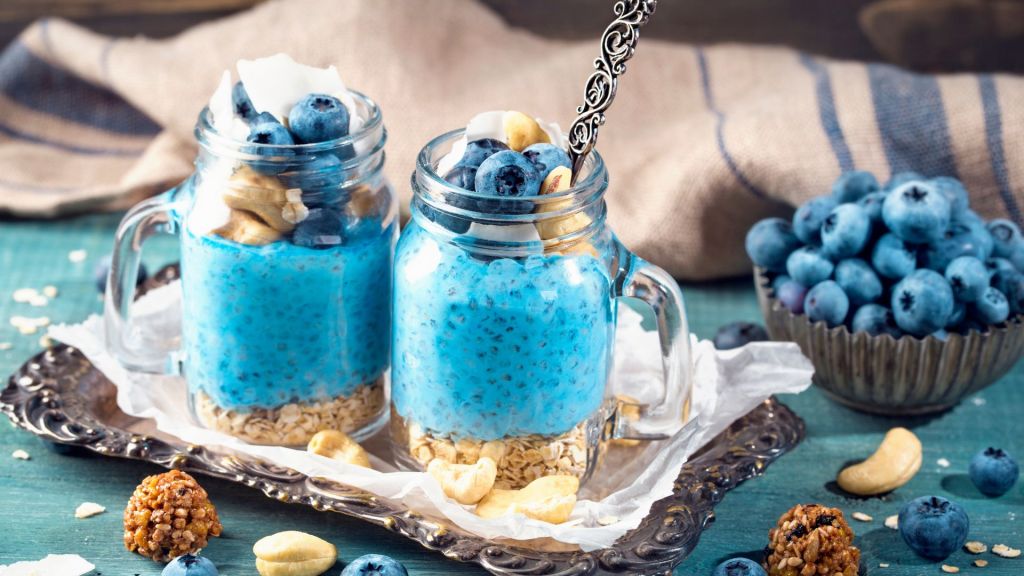
Where blue spirulina truly shines however, is in the kitchen. Its mild flavour profile and vibrant colour make it a versatile ingredient for both professional chefs and home cooks. From eye-catching smoothie bowls to azure-tinted baked goods, blue spirulina offers a natural way to create visually appealing dishes without significantly altering taste.
Cost Considerations
The complex extraction process required to obtain pure phycocyanin significantly increases the price of blue spirulina, making it up to six times more expensive than green spirulina. This substantial price difference raises questions about its value for money, particularly given the limited scientific evidence supporting its health claims.
Additionally, the premium pricing reflects the marketing strategies that position blue spirulina as an exclusive superfood, potentially limiting its accessibility to a wider audience. Consumers should carefully consider whether the visual appeal and purported benefits justify the higher cost, or if similar nutritional goals can be achieved through more affordable options. Ultimately, the decision to invest in blue spirulina should be informed by a critical evaluation of its actual health benefits compared to its price tag.
Safety and Regulation
As with any supplement, safety is paramount. While spirulina is generally considered safe, it’s not without risks. Potential contamination with heavy metals or toxins, especially in products sourced from uncontrolled environments, is a concern. Additionally, spirulina may interact with certain medications and could worsen symptoms of autoimmune disorders. It’s also worth noting that the supplement industry, including blue spirulina products, is not strictly regulated. This lack of oversight means there’s no guarantee of purity or potency, making it crucial to choose products from reputable brands that conduct third-party testing.
The Verdict
Blue spirulina presents an intriguing blend of visual appeal and potential health benefits. Its vibrant colour and culinary versatility make it an exciting addition to the kitchen, while its concentrated phycocyanin content offers promise from a nutritional standpoint. However, the limited scientific research specifically on blue spirulina calls for a measured approach.
For those drawn to its unique properties, blue spirulina can be an interesting addition to a balanced diet. However, it’s essential to approach it with realistic expectations. While it may offer some health benefits, it should not be viewed as a miracle cure or a replacement for a varied, nutrient-rich diet.
In the end, blue spirulina’s true value may lie in its ability to inspire creativity in the kitchen and encourage a more colourful approach to nutrition. Whether it becomes a staple in your pantry or remains an occasional indulgence, it serves as a reminder that exploring new foods can be both visually exciting and potentially beneficial to our health – as long as we approach them with a balanced perspective and informed understanding.



 The Nutrition Curator
Leave a comment