

For much of human history, culinary heritage was built on instinct, seasonality and habit. People ate what was available, what lasted, what could be preserved, and what brought comfort or celebration to the table. Traditional sweets, pastries, jams and preserves were not designed to be interrogated by nutrition labels. They existed because they made sense within a particular culture, climate and way of life.
That world has changed. As our understanding of nutrition has grown, so too has our scrutiny of the foods that once seemed untouchable. Sugar content, refined flour, ultra-processing and metabolic health are now part of everyday food conversations. The result is that many traditional foods are being pushed to the margins, not because they have stopped tasting good, but because they no longer look quite so innocent in the light of modern health thinking.
This is where the tension begins. Culinary heritage is being weakened by the very knowledge that is meant to help us live better.
Take traditional sweets. In many countries, the confections that once marked festivals, religious celebrations and family occasions are becoming less central to daily life. Rich pastries, filled buns, sugared cakes and preserved fruit desserts are still around, but they are less likely to be eaten routinely. In some places, they have become novelty items rather than living traditions. The same is true of jams and preserves. Once a practical way of saving the harvest, they are now often treated with suspicion because sugar has become such a loaded ingredient.
The pattern is visible across the world. In France, small family pâtisseries have had to compete with industrial food and changing consumer habits. In Italy, many regional sweets and baked goods survive more as specialist products than everyday staples. In Japan, traditional wagashi makers have faced a shrinking domestic market as younger consumers move toward more modern snacks. In Britain, heritage bakes and old-fashioned puddings still exist, but they are no longer the default foods they once were. Even in cultures with deep food traditions, the pull of modern nutrition thinking has changed what people buy, bake and pass on.
This is not necessarily a tragedy. It is, at least in part, the cost of knowing more.
That may sound harsh, but it is also true. The more we learn about health, disease and longevity, the harder it becomes to defend every traditional food simply because it is traditional. Knowledge changes behaviour. It changes taste. It changes what we tolerate, what we celebrate and what we leave behind. That can feel like loss, especially when it means certain foods become rarer or less culturally central. But it can also be a sign of progress.
Science has given us a better understanding of how food affects the body over time. It has made us more aware of the relationship between diet and metabolic health, inflammation, blood sugar regulation and chronic disease. That matters. It means we are no longer forced to rely entirely on inherited habits. We can make choices with more information than any previous generation had access to. In that sense, science has not simply complicated food. It has empowered us.
This is why the decline of some culinary traditions should not be viewed only through the lens of nostalgia. A food can be beloved and still not be ideal for regular consumption. A recipe can be culturally important and still belong to a different nutritional era. If some traditions fade because they no longer fit the realities of modern health, that is not proof of failure. It is proof that we are paying attention.
And yet, this is not the whole story. Not all heritage foods are disappearing. Some are returning, and in many cases they are returning because they have found a new place in modern thinking.
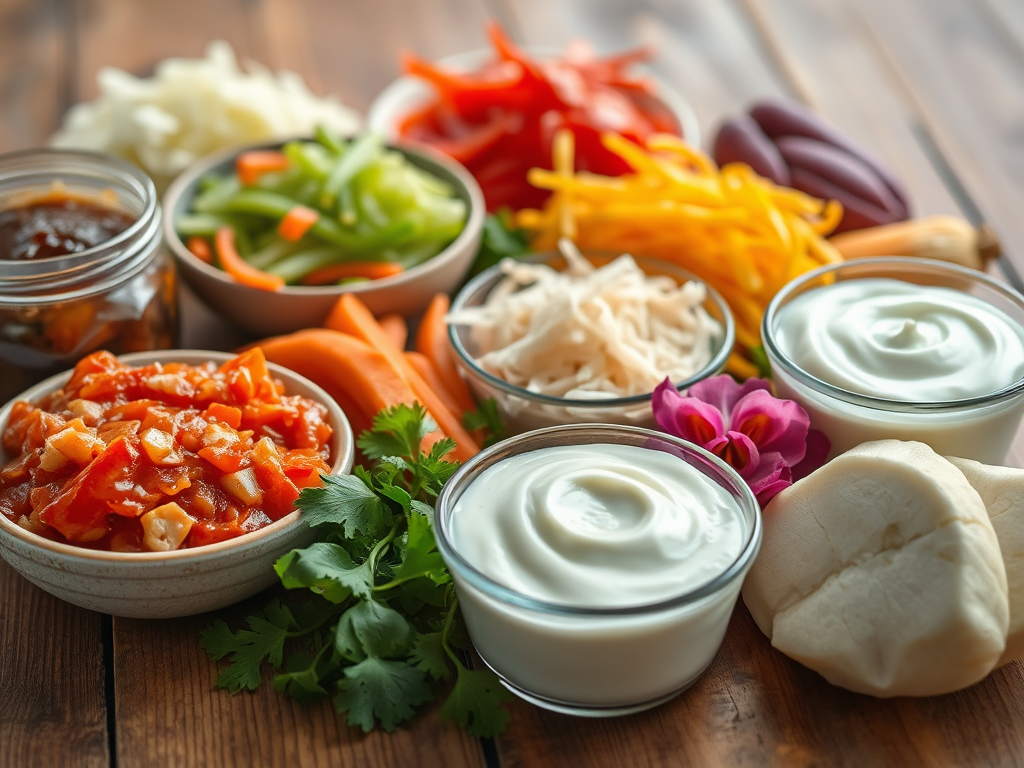
Sourdough bread is the clearest example. Once a practical method of leavening bread, it is now associated with craft, slow fermentation and, for many people, easier digestion. Fermented foods have also seen a strong revival. Kimchi, kefir, sauerkraut and other ferments now sit comfortably within conversations about gut health and microbial diversity. These foods are old, but they feel current because they align with what we now understand about digestion and food quality.
That is the real point. Science has not only stripped away some old food habits. It has also rescued others.
Perhaps some culinary heritage has been lost. Perhaps some of it deserved to be lost. But the bigger picture is not one of decline. It is one of refinement. We know more now than we did before, and that knowledge has changed the shape of the table. Some foods have become less central. Others have returned with renewed purpose. That is how food culture evolves.
So yes, science has ruined part of our culinary heritage. But it has done so in the service of something better. It has given us the power to choose more wisely, eat more intentionally and understand more clearly what food is doing in our lives. And that is a trade worth making.


 The Nutrition Curator
Leave a comment